



Hello everyone.
In the previous article, we discussed how hydrogen, the smallest molecule in nature, may travel throughout the body after being introduced through hydrogen inhalation, hydrogen water, or hydrogen baths.
In the newspaper column, I also mentioned one of the most fascinating areas of hydrogen research:
👉 Selective Antioxidant Activity
Hydrogen is believed to interact differently from many conventional antioxidants. Researchers have suggested that hydrogen may selectively react with harmful free radicals, such as hydroxyl radicals, while leaving beneficial biological processes largely unaffected.
Today, I would like to take a closer look at oxidative stress and why this topic has attracted so much attention.

Not All Reactive Oxygen Species Are Harmful
When people hear the term “free radicals” or “reactive oxygen species,” they often assume they are entirely negative.
In reality, reactive oxygen species play important roles in the human body.
They help with:
- immune defense
- cellular signaling
- tissue repair
Without them, many normal biological functions could not occur.
The issue arises when these molecules become excessive.

What Is Oxidative Stress?
A term frequently used in health, wellness, beauty, and anti-aging research is:
👉 Oxidative Stress
Oxidative stress occurs when the balance between reactive oxygen species and the body’s natural antioxidant defenses becomes disrupted.
Factors associated with increased oxidative stress include:
- lack of sleep
- chronic stress
- smoking
- excessive UV exposure
- intense exercise
- aging
Researchers continue to study how oxidative stress may influence overall wellness and healthy aging.

Why Hydrogen Research Continues to Grow
One reason hydrogen research has expanded globally is the possibility that hydrogen may selectively interact with highly reactive free radicals, particularly hydroxyl radicals.
This potential selectivity has encouraged continued research involving:
- hydrogen inhalation
- high-concentration hydrogen inhalation
- hydrogen water
- hydrogen baths
Scientists in fields ranging from medicine to sports recovery and beauty continue to explore these possibilities.

What Clients Often Share
Hydrogen is not a medication, and experiences naturally vary from person to person.
However, clients who regularly use hydrogen inhalation often tell me that they feel:
- less fatigued
- more refreshed in the morning
- better recovered after exercise
- improvements in overall skin appearance
These experiences continue to fuel interest in hydrogen wellness practices around the world.
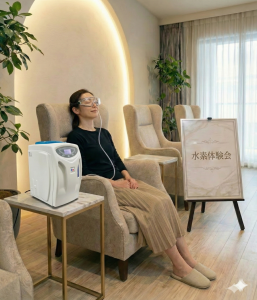
Conclusion
In the newspaper column, I explained that hydrogen may selectively interact with harmful free radicals associated with oxidative stress.
This concept remains one of the most exciting areas of modern hydrogen research and helps explain the growing popularity of hydrogen inhalation, hydrogen water, hydrogen baths, and high-concentration hydrogen technologies.
In the next article, we will explore:
👉 Why many hydrogen researchers emphasize the importance of daily hydrogen habits and consistency.
Experience it here at our New York salon.
https://easeny.com/
【Official LINE】Official LINE
【Vitamin C and Hydrogen! Perfect for your daily care!】
Lypo-C Vitamin C
【Latex-Free Cannula】
Latex-Free Cannula
【Distilled Water】
Distilled Water
【Surge Protector】
Surge Protector
【The Ultimate Hydrogen-Nutritional Therapy Guide】
Dr.Michiko Miyakawa