



Hello everyone.
“Can I take a hydrogen bath every day?”
“Can I combine hydrogen baths with hydrogen inhalation or hydrogen water?”
These are questions I sometimes hear when discussing molecular hydrogen and different ways of incorporating it into everyday life.
In Episode 64 of my newspaper column, I introduced hydrogen baths, which involve bathing in water containing dissolved molecular hydrogen (H₂), and the possibility that hydrogen may pass through the skin.
In Blog 64-1, we explored the science behind hydrogen baths. In Blog 64-2, we discussed how to choose a home hydrogen bath generator.
Today, I’d like to focus on practical ways to incorporate hydrogen baths into everyday life while maintaining a safe and comfortable bathing routine.
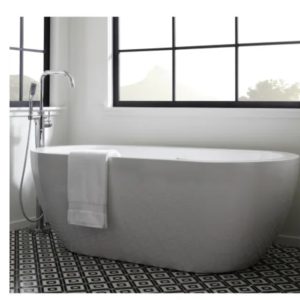
Making Hydrogen Baths Part of an Existing Routine
Hydrogen inhalation typically requires specialized equipment and time for a session.
Hydrogen water can be consumed as part of daily hydration.
Hydrogen baths, on the other hand, can be incorporated into an existing bathing routine.
I’ve personally included hydrogen inhalation, hydrogen water, and hydrogen baths in my lifestyle, and I appreciate the different ways each can fit into daily activities.
One practical attraction of hydrogen bathing is that it doesn’t necessarily require setting aside an entirely separate period of time.
However, there is currently insufficient scientific evidence to establish that taking a hydrogen bath every day produces specific health benefits or that more frequent bathing leads to greater benefits.
Rather than focusing on frequency, I believe it is more important to maintain a bathing routine that feels comfortable and manageable.
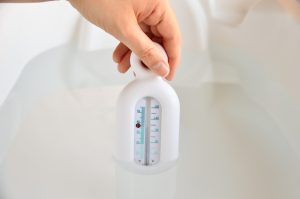
Comfortable Water Temperature and Bathing Safety
Hydrogen baths should follow the same basic safety considerations as ordinary baths.
Very hot water or prolonged bathing may contribute to overheating, dehydration, dizziness, or changes in blood pressure.
For many adults, a moderate bath temperature of approximately 38–40°C (100–104°F) may be a reasonable starting point, depending on individual comfort and health circumstances.
However, the appropriate temperature and bathing duration can vary based on age, medical conditions, and personal tolerance.
Maintaining adequate hydration before and after bathing is also important.
If you experience dizziness, weakness, or discomfort, stop bathing and seek assistance if needed.
People with certain cardiovascular conditions, blood pressure concerns, or other relevant medical circumstances should consult a healthcare professional when appropriate.
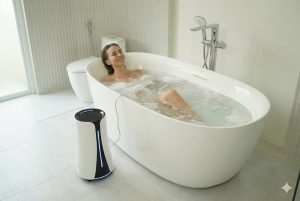 Using a Hydrogen Bath Generator Safely
If you use a home hydrogen bath generator, carefully follow the manufacturer’s operating instructions.
Hydrogen is a flammable gas, so proper ventilation is essential to prevent unsafe accumulation in an enclosed bathroom.
Electrical safety is equally important.
The equipment must be designed for its intended bathroom environment, with appropriate protection against water exposure and clear instructions regarding placement and power connections.
Avoid using devices in the bathroom if they are not specifically approved for that environment.
Cleaning, servicing, and replacement of components should also follow the manufacturer’s recommendations.
A device that is convenient to use should also be safe and practical to maintain over time.
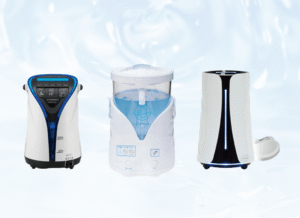
Choosing Between Hydrogen Inhalation, Hydrogen Water, and Hydrogen Baths
Throughout this series, we’ve explored three ways of introducing molecular hydrogen.
Hydrogen inhalation delivers hydrogen through the lungs.
Hydrogen water introduces dissolved hydrogen through the digestive system.
Hydrogen baths expose the skin to hydrogen-containing water, with the extent of transdermal absorption in humans still being investigated.
It is also important to understand that combining hydrogen inhalation, hydrogen water, and hydrogen baths has not been proven to provide greater health benefits than using a single method.
Although I personally use all three approaches, I don’t believe everyone needs to follow the same routine.
Lifestyle, budget, equipment requirements, and personal preferences are all important considerations.
Summary (64-3)
Throughout this three-part series inspired by Episode 64 of my newspaper column, we’ve explored hydrogen baths from several perspectives.
In Blog 64-1, we discussed the possibility of hydrogen absorption through the skin.
In Blog 64-2, we reviewed important considerations when choosing a home hydrogen bath generator.
Today, we focused on how to incorporate hydrogen baths into daily life while prioritizing comfort and safety.
For me, bathing is already a valuable opportunity to enjoy warmth and quiet time.
I appreciate those familiar benefits of bathing itself while continuing to learn about the developing science of molecular hydrogen.
At easeNY, located near Grand Central Terminal in Midtown Manhattan, New York City, visitors can experience hydrogen inhalation and ask questions about home hydrogen bath generators, hydrogen water generators, and hydrogen inhalation systems.
If you’re exploring ways to incorporate molecular hydrogen into your lifestyle, you’re welcome to contact us to learn more about the available options.
In Episode 65, we’ll turn our attention to hydrogen supplements and explore how certain products are designed to generate molecular hydrogen within the digestive tract.
I hope molecular hydrogen can continue to be something people explore thoughtfully as part of their personal wellness journey.
This article is intended for general educational purposes and is not medical advice. Hydrogen baths have not been established as treatments or preventive measures for specific diseases. Always follow equipment safety instructions and adjust bathing habits to your health and comfort.
Experience it here at our New York salon.
https://easeny.com/
【Official LINE】Official LINE
【Vitamin C and Hydrogen! Perfect for your daily care!】
Lypo-C Vitamin C
【Latex-Free Cannula】
Latex-Free Cannula
【Distilled Water】
Distilled Water
【Surge Protector】
Surge Protector
【The Ultimate Hydrogen-Nutritional Therapy Guide】
Dr.Michiko Miyakawa