


Hello everyone.
One of the questions I frequently hear from clients interested in hydrogen inhalation is, “How do I choose the right hydrogen inhalation machine for home use?”
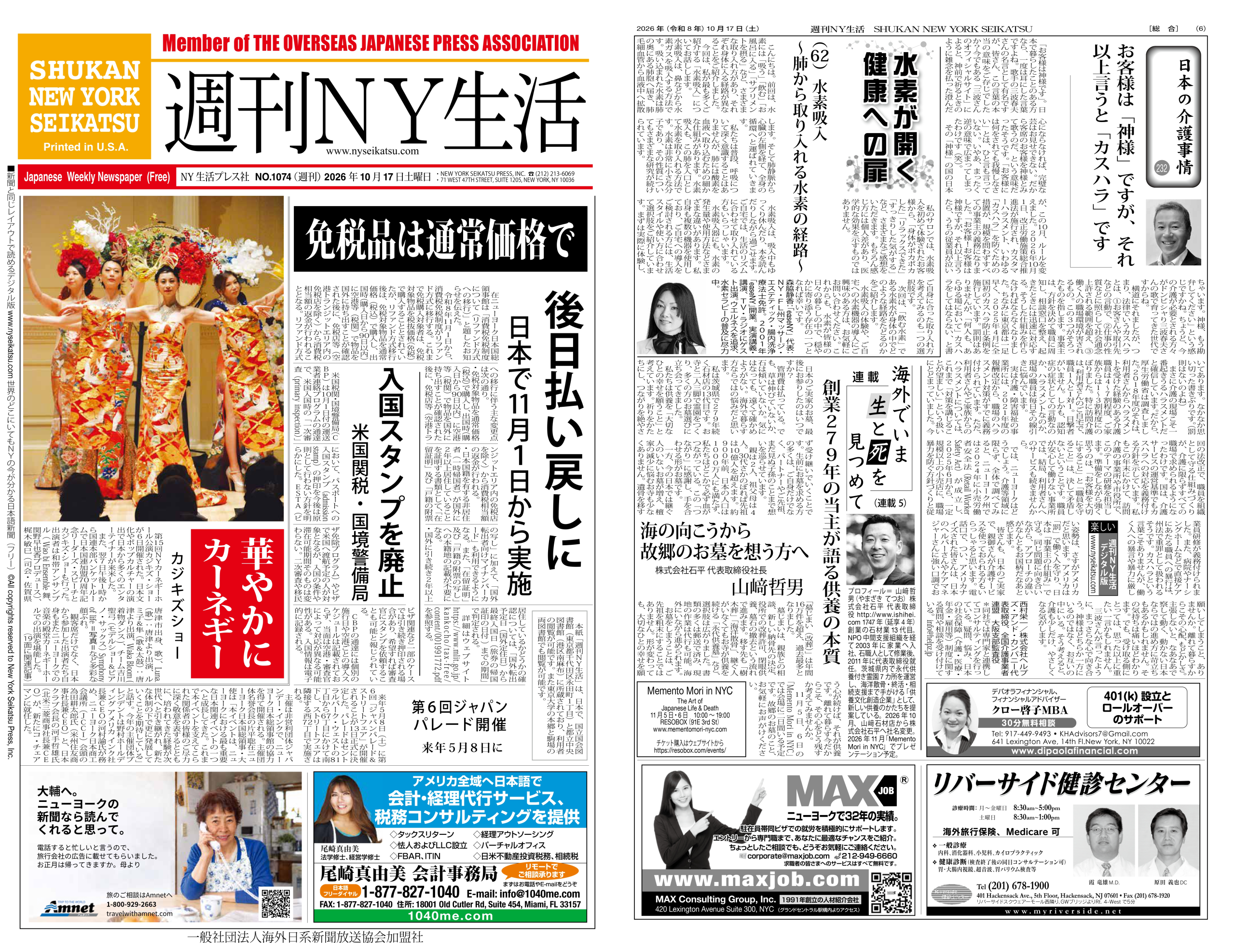
In Episode 62 of my newspaper column, I explained how inhaled molecular hydrogen travels through the lungs and diffuses into the bloodstream.
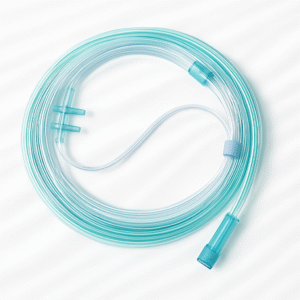
Hydrogen inhalation introduces molecular hydrogen through breathing, typically using a nasal cannula or another appropriate delivery method.
However, not all hydrogen inhalation machines are designed or operated in the same way.
Hydrogen concentration, generation capacity, gas flow rate, operating time, safety features, and maintenance requirements can vary significantly between devices.
Today, I’d like to explain several important factors to consider before purchasing a home hydrogen inhalation system.

Hydrogen Concentration and Hydrogen Output Are Different
When comparing hydrogen generators, you may see specifications such as “99.9% hydrogen concentration” or “600 mL/min hydrogen output.”
These numbers describe different characteristics.
Hydrogen concentration refers to the proportion of hydrogen contained in the gas produced or delivered by the device.
Hydrogen generation capacity refers to the volume of hydrogen gas produced over a specific period, commonly expressed in milliliters per minute (mL/min).
For example, a device may produce highly concentrated hydrogen at a relatively low output, while another may deliver hydrogen mixed with oxygen or air.
It is also important to understand that the hydrogen concentration measured at the generator outlet may differ from the concentration a person actually inhales.
Therefore, comparing one number alone does not tell you how much hydrogen enters the body or whether one machine provides greater health benefits.

Why Gas Flow Rate Matters
Another important specification is gas flow rate.
Flow rate describes the total volume of gas delivered over time.
For a machine that delivers a hydrogen-oxygen mixture, the total gas flow and the hydrogen component of that flow are not necessarily the same.
Delivery methods also matter.
Some machines are designed for use with nasal cannulas, while others may have different accessories or configurations.
Certain models may accommodate more than one user, while others are intended for individual use.
Higher hydrogen output does not automatically mean better clinical results. There is currently insufficient evidence to establish that a higher-output consumer hydrogen inhalation machine provides greater wellness benefits.
Understanding how a machine is designed to be used is more important than choosing based on the largest advertised number.

Safety and Maintenance Should Never Be Overlooked
When choosing a home hydrogen inhalation system, I consider safety and maintenance especially important.
Hydrogen is a flammable gas, so appropriate equipment design, ventilation, distance from ignition sources, and compliance with manufacturer instructions are essential.
Maintenance requirements also vary.
Depending on the model, users may need to refill water, replace filters, clean components, or purchase replacement accessories.
Before purchasing, consider these questions:
• How long can the machine operate continuously?
• What type of water does it require?
• How often are filters and accessories replaced?
• What are the ongoing maintenance costs?
• What safety features are included?
• Does the device have independently verified safety certifications, and what exactly do those certifications cover?
• What warranty and repair support are available?
For equipment intended for regular home use, ease of maintenance and reliable support can be just as important as the initial purchase price.

Summary (62-2)
Choosing a home hydrogen inhalation machine involves more than comparing hydrogen concentration or output alone.
Gas flow rate, delivery methods, continuous operating time, safety features, maintenance, and long-term costs all deserve careful consideration.
Having personally used several types of hydrogen equipment, I’ve learned that practical differences in everyday operation can be just as meaningful as the technical specifications.
At easeNY in Midtown Manhattan, New York City, I welcome inquiries from people interested in experiencing hydrogen inhalation or learning more about home hydrogen inhalation systems.
If you’re considering purchasing a home hydrogen generator, I’d be happy to explain the available options and help you identify the questions worth asking before making a decision.
In Blog 62-3, we’ll explore how to move from an initial hydrogen inhalation experience at a wellness salon to a practical routine at home.
This article is intended for general educational purposes and is not medical advice. Hydrogen inhalation has not been established as a treatment or preventive measure for specific diseases. Always follow the manufacturer’s safety instructions.
Experience it here at our New York salon.
https://easeny.com/
【Official LINE】Official LINE
【Vitamin C and Hydrogen! Perfect for your daily care!】
Lypo-C Vitamin C
【Latex-Free Cannula】
Latex-Free Cannula
【Distilled Water】
Distilled Water
【Surge Protector】
Surge Protector
【The Ultimate Hydrogen-Nutritional Therapy Guide】
Dr.Michiko Miyakawa