


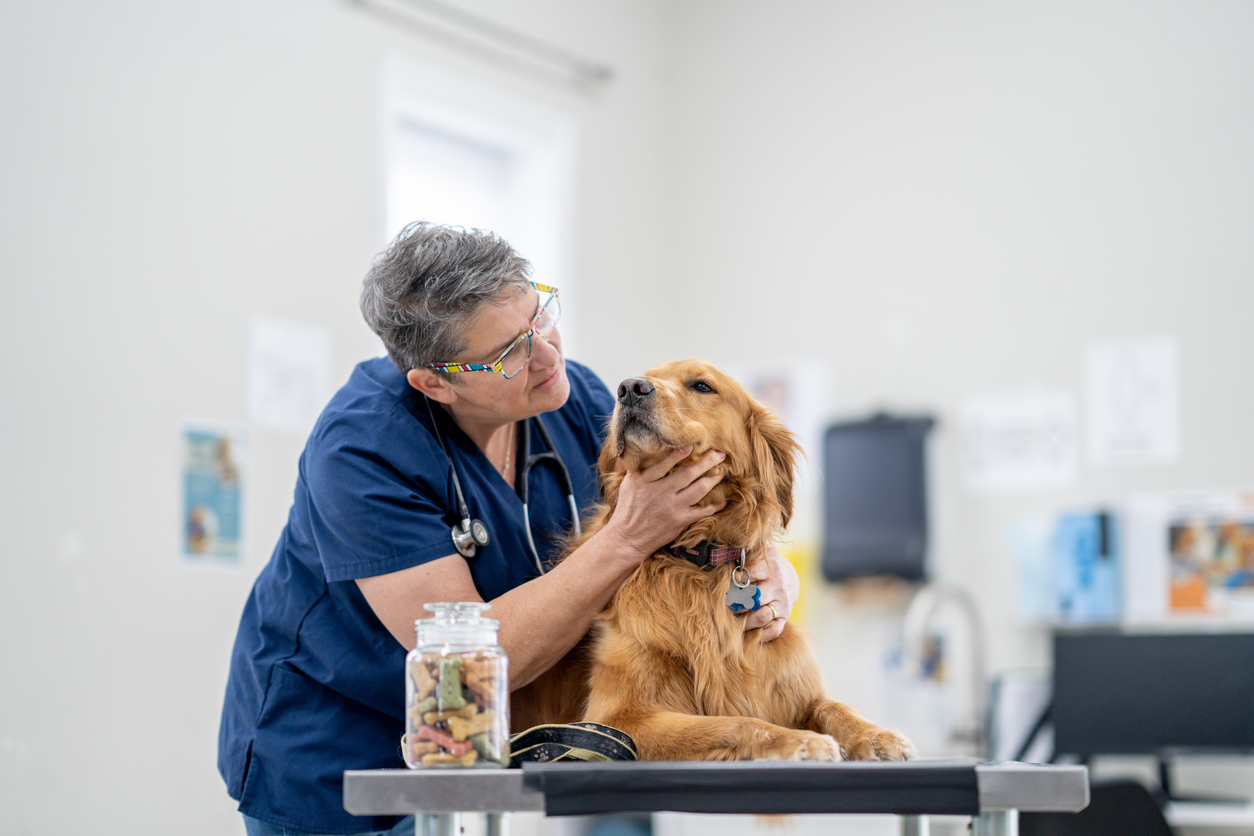
I’m Jun, a sales representative in the health industry who often finds myself checking on the healing progress of my pets’ scars!
My previous article, on the weighty topic of “Living with Cancer,” received a tremendous response. I was deeply moved to share how hydrogen can support pet owners’ wishes to allow their pets to spend their final days peacefully.
Now, this time, we’ll discuss the unavoidable topic of “post-operative care and tissue regeneration.”
From spaying and neutering to surgical procedures due to illness, surgery places a significant burden on animals’ bodies. In sales, I often hear comments like, “The surgery was successful, but the pet is lethargic because it’s bothering the wound,” or “I’m worried because the recovery is slow due to the pet’s age.”
In fact, hydrogen has an amazing power to activate the “regeneration switch” of damaged tissue. This time, I’ll explain in detail the mechanism by which hydrogen dramatically supports post-operative recovery!
- What Happens in the Body After Surgery? The Truth About “Oxidative Stress”
Surgery is an important process for healing illness, but it is a “major invasion (damage)” to the body. Around the tissue where the scalpel was used, a rapid inflammatory response occurs, generating a large amount of reactive oxygen species.
These reactive oxygen species normally play a role in attacking bacteria that try to invade the wound. However, if they are produced in excess, they begin to attack healthy cells (normal tissue) that are trying to heal. This is a major factor in prolonging postoperative “pain” and “swelling” and delaying tissue regeneration. When postoperative recovery is not smooth, “oxidative stress” caused by reactive oxygen species is swirling in the background.
- Why Hydrogen Becomes a “Rescue Team for Tissue Regeneration”
This is where hydrogen comes in. Hydrogen has an “overwhelming penetrating power” that other antioxidants lack.
At the site where tissue has been cut, blood flow is temporarily interrupted, making it difficult for normal nutrients and medications to reach the area. However, hydrogen, the smallest molecule in the universe, can easily pass through even the most severed blood vessels and reach the nucleus of damaged cells.
It then targets and removes only the “harmful reactive oxygen species” that hinder regeneration.
This “cleaning” process allows cells to focus all their energy on their primary functions: tissue repair and cell division, without being preoccupied with dealing with oxidative stress.
- Supporting Fibroblasts and Shortening the Time Until Suture Removal
Research has confirmed that hydrogen helps activate fibroblasts, which are essential for wound healing, and promotes collagen synthesis.
One surprising report we hear from veterinarians in the field is that, when hydrogen inhalation was used in conjunction with other treatments, the wound healed significantly faster than usual, and the sutures could be removed several days earlier than planned.
Faster wound healing means less time your pet has to endure the discomfort of wearing an Elizabethan collar. This is an unparalleled benefit for both the animal and the owner.
- Suppressing the “Runaway” Immune System and Preventing Complications
For a weakened body after surgery, the most serious concern is complications such as bacterial infections. However, even if bacteria are suppressed with antibiotics, if the body’s own immune system runs wild and inflammation worsens, tissue regeneration will be difficult.
The clever thing about hydrogen is that it doesn’t interfere with the “necessary reactive oxygen species” that immune cells use to attack enemies (bacteria and viruses), but smartly suppresses only the “runaway, harmful reactive oxygen species” that indiscriminately destroy the surrounding tissue.
This “immune balance adjustment (modulation)” function allows for the suppression of excessive swelling while maximizing the body’s self-healing power.
- Salesman Jun’s Tips! How to Utilize Hydrogen for “Speed Recovery” After Surgery
There are three key points for hydrogen care that can be done at home for your partner who has returned home after surgery.
- Whole-Body Care with “High-Concentration Hydrogen Inhalation”:
The first few days after surgery are when the body most needs repair. By allowing your pet to inhale hydrogen while they sleep, it improves blood flow throughout the body and soothes inflammation from within.
- Wound care with “hydrogen water mist”:
(*Always follow your veterinarian’s instructions) Gently spraying clean hydrogen water as a mist around the wound reduces local oxidative stress.
- Oral administration of “hydrogen water”:
After surgery, the liver and kidneys are also burdened by the effects of anesthesia and medication. Drinking hydrogen water supports antioxidant care for internal organs and promotes the early recovery of appetite.
Jun’s Note
The heartbreaking feeling of saying goodbye to your beloved dog or cat in the operating room. And the relief when they return safely. I have experienced this many times. That’s why I want to support their “fastest recovery” after they return.
Hydrogen gently but powerfully supports your partner’s “power to heal.” To help them reach the day when they can run around happily again without their cone as soon as possible. Please consider adding hydrogen, the latest in eye care, to your options.
Next time (Episode 19), we’ll discuss eye problems that you shouldn’t overlook. We’ll talk about “Cataracts and Ophthalmic Diseases: The Penetrating Power of Hydrogen to Protect Your Vision.” What can we do to ensure that you can always look at us with sparkling eyes? Stay tuned!
Experience it here at our New York salon.
https://easeny.com/
【Official LINE】Official LINE
【Vitamin C and Hydrogen! Perfect for your daily care!】
Lypo-C Vitamin C
【Latex-Free Cannula】
Latex-Free Cannula
【Distilled Water】
Distilled Water
【Surge Protector】
Surge Protector
【The Ultimate Hydrogen-Nutritional Therapy Guide】
Dr.Michiko Miyakawa