


Hello! I’m Jun, a health industry salesperson who conveys the charm of hydrogen “passionately, deeply, and clearly.” The previous story on “Cows and the Global Environment” received quite a response. Hearing voices say, “It’s amazing that hydrogen can even reduce burps; it really is all-purpose!” makes me feel very proud.
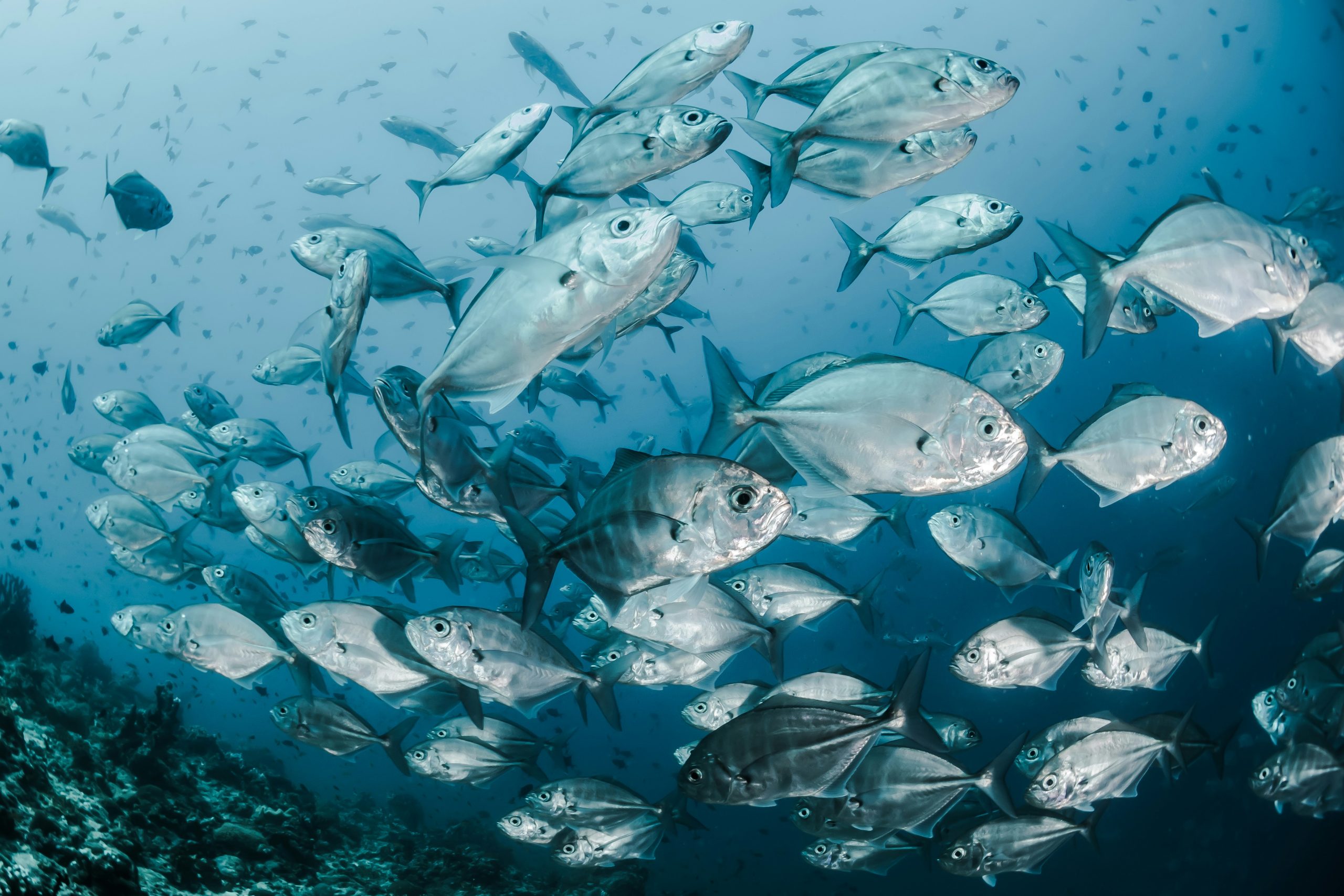
Now, for the 6th installment of the series, we’ll leave the land and dive into the “water.” The theme is “Fish and Hydrogen.” Actually, even in the worlds of the aquaculture industry and ornamental fish, hydrogen is garnering huge attention as a “trump card for saving lives.” I will report on the front lines of this field where Japan, a major fisheries nation, is leading the way!
- Even Fish Get Sick from “Stress”
You might wonder, “Do fish even feel stress?”, but actually, there are no creatures as delicate as fish. Especially in the limited spaces of aquaculture sites or tanks during transport, fish are constantly exposed to “oxidative stress” due to changes in water quality, overcrowding, and even the physical shock of being scooped up with a net. Within the bodies of fish feeling stress, a large amount of bad reactive oxygen species is generated just like in humans. This causes a drop in immunity, leads to infectious diseases, and in the worst cases, results in mass mortality (mortality).
- “Survival Rates” Change Dramatically When Swimming in Hydrogen Water
This is where “Hydrogen Nanobubble Water”—water with hydrogen gas dissolved into it—comes onto the scene. Latest research reports that when fish are raised or transported in water where hydrogen is dissolved, surprising results emerge.
* Improving survival rates during transport: During long-distance transport, fish weaken due to oxygen deficiency and stress from their own waste. However, it has been confirmed that adding hydrogen suppresses oxidative damage to cells, dramatically increasing the survival rate upon arrival at the destination.
* Promoting growth: Fish released from oxidative stress have increased vitality for eating feed and become less susceptible to disease. As a result, they grow larger and healthier.
- The “Power of Hydrogen” to Maintain Freshness
The benefits of hydrogen are not only present while they are alive. There are also major merits for fish as “food.” Using hydrogen water immediately after a catch or during the processing stage can suppress the oxidation of fats in the fish (the production of lipid peroxides). In other words, “freshness lasts longer, and fishy odors are suppressed.” In the sales field, I often hear professional voices saying, “Fillets treated with hydrogen water are less prone to color changes.” Isn’t it a bit exciting to think that the science of hydrogen plays a part behind the scenes of delicious fish reaching our tables?
- Ornamental Fish Fans are Also Paying Attention! Hydrogen for Home Aquariums
This technology has actually begun to be applied to tropical fish and goldfish at home as well. Have you ever had the experience where “the goldfish I brought home from a festival died right away…”? One of the major causes of that is also stress (oxidation) due to sudden environmental changes. Recently, compact hydrogen generators that can be used for home aquariums have appeared. *Helping with water purification: Hydrogen does not directly clean the water, but as the fish become healthier, the abnormal secretion of mucus decreases, making the aquarium environment easier to stabilize as a result. *Extending lifespan: By reducing stress, you will be able to spend a longer time together with your precious ornamental fish.
- “Fisheries x Hydrogen” Portraying a Sustainable Future
Japan is a country surrounded by the sea on all sides. However, the challenges surrounding the fisheries industry are piling up, such as the decrease in coastal resources and changes in the environment. Using hydrogen to draw out the life force of fish without relying too much on medicine (such as antibiotics). And reducing transport costs and waste loss. I am convinced that this “Fisheries x Hydrogen” approach will be an extremely powerful weapon for protecting Japan’s food culture and realizing the SDGs.
Jun’s Note
“Hydrogen in water” is invisible to the eye. However, looking at the sight of fish swimming around energetically makes its effects clear at a glance. What I value as a salesperson is showing you these “invisible values” through results. Fish raised on hydrogen water might one day become a staple for everyone!
How was Vol. 6? I would be happy if you were surprised by the unexpected activity of hydrogen in supporting the health of fish! Now, for the next installment (Vol. 7), we will have a practical discussion that you are likely most curious about: “The Science of Administration Methods.” Is it better to drink it, inhale it, or perhaps use an IV? We will thoroughly compare the best methods according to the type of animal and its symptoms!
Experience it here at our New York salon.
https://www.easeny.com/
【Official LINE】Official LINE
【Vitamin C and Hydrogen! Perfect for your daily care!】
Lypo-C Vitamin C
【Latex-Free Cannula】
Latex-Free Cannula
【Distilled Water】
Distilled Water
【Surge Protector】
Surge Protector
【The Ultimate Hydrogen-Nutritional Therapy Guide】
by Michiko Miyakawa