


What I Couldn’t Cover in the Newspaper Column
In the previous post (9-1), I talked about how dizziness can come from various causes—not only the brain, but also the inner ear, the semicircular canals, and even the autonomic nervous system.
In this article, I’ll answer a question many readers have asked:
“If I want to try hydrogen for dizziness, what is the safest way to start?”

1. Hydrogen as a gentle support for “ear-related dizziness”
For the reader who reached out, my first recommendation was:
consult an ENT doctor (ear, nose, throat specialist).
In Japan, some ENT clinics incorporate hydrogen inhalation or hydrogen baths as supportive wellness practices—not as medical treatment, but as a supplemental approach to maintaining ear comfort.
Hydrogen is not a medical device or a medical therapy,
but its non-invasive nature and lack of known side effects
make it an approachable option for daily wellness routines.
2. Ear Cannulas: One way to apply hydrogen gently
One of the most common questions I receive is:
“How do I use an ear cannula for hydrogen?”
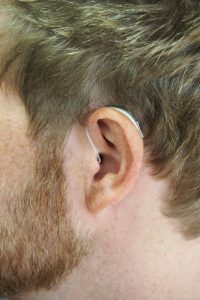
An ear cannula is placed lightly at the entrance of the ear,
allowing hydrogen to gently surround the ear area.
I have used ear cannulas myself, and they can feel surprisingly soothing.
✔ Tips for safe and comfortable use
- Avoid devices with very strong airflow, as they may put pressure on the eardrum
- Do not insert the cannula deeply—keep it slightly lifted
- Avoid long, continuous sessions
- Stop immediately if there is any discomfort
For people who experience dizziness or tinnitus,
a device with gentle airflow is usually the safest and most comfortable option.
3. Choosing the right hydrogen inhalation device
Hydrogen inhalation devices vary widely.
Some provide hydrogen only, while others provide hydrogen mixed with oxygen.
Rather than deciding which is “better,”
it’s important to choose a device that matches your purpose.
- If your main target is “ear comfort”
- A device with gentle airflow
- Stable and consistent hydrogen output
- Lower pressure toward the eardrum
- If you want overall relaxation and balance support
- A hydrogen–oxygen mix device can also be an option
- Check whether the device is comfortable for longer use
- Maintenance should be simple and manageable

4. Hydrogen is not a medical device — and that’s why consultation is important
As mentioned in the column, hydrogen is not a medical treatment.
However, because it has no known side effects, it may be easier to incorporate as a wellness support method.
Still, if symptoms such as:
- Persistent dizziness
- Increased tinnitus
- Nausea or imbalance
occur, it is crucial to see a doctor.
Hydrogen should be considered a gentle complement,
not a replacement for professional medical care.
Summary
Ear cannulas and inhalation devices can offer a gentle sense of support
for people living with dizziness or ear-related discomfort.
In the next article (9-3), I will discuss:
● How hydrogen baths may support relaxation and balance
● The connection between the autonomic nervous system and dizziness
● Insights from my own experience using hydrogen during difficult times

Experience it here at our New York salon.
https://easeny.com/
【Official LINE】Official LINE
【Vitamin C and Hydrogen! Perfect for your daily care!】
Lypo-C Vitamin C
【Latex-Free Cannula】
Latex-Free Cannula
【Distilled Water】
Distilled Water
【Surge Protector】
Surge Protector
【The Ultimate Hydrogen-Nutritional Therapy Guide】
Dr.Michiko Miyakawa